
Tai Zi Shen Reference Standards and Quality Considerations
When evaluating Tai Zi Shen, one of the most overlooked aspects is how quality is defined and recognized. Unlike fast-moving consumer products, herbal ingredients rely on long-established reference systems rather than short-term performance claims. Understanding these reference standards helps readers distinguish between description and substance.
1/20/20262 min read
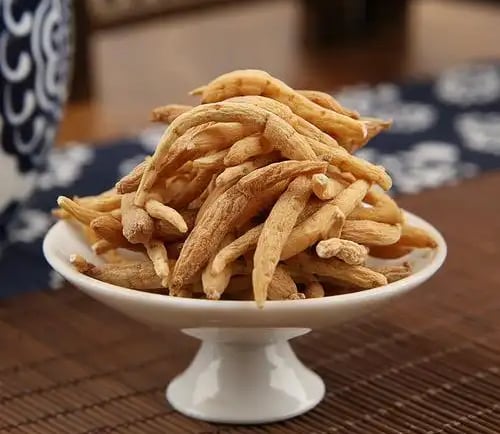
How Tai Zi Shen Is Commonly Defined in Herbal References
In traditional herbal references, Tai Zi Shen is typically described by:
Botanical identity
Root form and structure
Cultivation origin
Harvest maturity
These characteristics form the foundation of how Tai Zi Shen is identified and classified across herbal literature and industry use.
Rather than focusing on immediate outcomes, these references emphasize consistency and authenticity.
Botanical Identity as a Quality Baseline
Accurate botanical identification is the first requirement in evaluating Tai Zi Shen.
Key considerations include:
Verified plant species
Root morphology
Natural variation due to cultivation conditions
Clear botanical identification reduces substitution risk and supports traceability throughout the supply chain.
Origin and Cultivation Considerations
Traditional sourcing regions developed their reputation through:
Stable climate patterns
Suitable soil composition
Generational cultivation experience
While modern cultivation has expanded geographically, consistent quality is still closely tied to controlled growing conditions and cultivation practices rather than scale alone.
Harvest Timing and Maturity
Harvest timing plays a critical role in ingredient consistency.
In sourcing practice:
Early harvest may affect root development
Overmature roots may reduce uniformity
Proper timing supports predictable processing outcomes
These considerations are standard across herbal ingredient evaluation and are independent of end-product positioning.
Processing Methods and Their Impact
Post-harvest processing is often where quality diverges.
Factors commonly evaluated include:
Cleaning and trimming standards
Drying methods
Moisture control during storage
Proper processing preserves structural integrity and supports long-term stability.
Why Appearance Alone Is Not Enough
Visual inspection is often the first step but not the final measure.
While appearance can indicate:
Uniformity
Cleanliness
Structural completeness
It does not fully reflect sourcing practices or processing consistency. Responsible evaluation combines visual assessment with sourcing documentation and handling transparency.
Quality Consistency in Long-Term Supply
For long-term use applications, consistency matters more than isolated batch performance.
Stable quality allows:
Predictable formulation behavior
Reliable user experience
Reduced variability across production cycles
This is why quality discussions emphasize standards rather than isolated claims.
Recognized Boundaries of Evaluation
Quality evaluation does not guarantee:
Immediate results
Uniform perception among users
Suitability for every application
Recognizing these boundaries supports realistic assessment and responsible communication.
Why Reference Standards Matter
Reference-based evaluation:
Reduces misinformation
Supports informed sourcing decisions
Builds trust through transparency
It shifts the focus from promotional language to verifiable characteristics.
About This Article
This content is developed based on general sourcing practice, traditional reference frameworks, and commonly accepted quality evaluation criteria used in herbal ingredient assessment. It is intended to support informed understanding rather than commercial promotion.
Information Scope and Disclaimer
This article is for informational purposes only and does not constitute medical advice. Quality characteristics discussed here relate to sourcing and processing considerations and do not imply therapeutic outcomes.
Our Services
Provide high quality Pseudostellaria baicalensis, welcome to cooperate.
Contact Us
E-Mail:info@pseudostellaria.com
© 2025. All rights reserved.
Add:Shibing Township, Kaili City, Guizhou Province, China