
Understanding Tai Zi Shen Through Long-Term Use and Sourcing Practice
Tai Zi Shen is often introduced as a gentle herbal ingredient, but many readers still find it difficult to understand where its real value lies. This confusion usually comes from treating all herbal products as if they serve the same purpose. In practice, Tai Zi Shen is most accurately understood through long-term use patterns, sourcing standards, and traditional application logic, rather than short-term expectations.
1/20/20262 min read
How Tai Zi Shen Is Traditionally Positioned
In traditional herbal literature, Tai Zi Shen is commonly referenced as an ingredient intended for gradual nourishment and daily balance, rather than immediate or stimulating effects.
This positioning explains why it is frequently discussed in the context of:
Long-term wellness routines
Seasonal or lifestyle-based adjustments
Supportive, non-disruptive use
These characteristics distinguish Tai Zi Shen from herbs designed for acute or short-term intervention.
Observations From Long-Term Application Contexts
Based on extended observation in herbal sourcing and formulation contexts, Tai Zi Shen is most often selected when users prioritize comfort, stability, and continuity.
Common long-term usage patterns show that:
Effects are subtle rather than immediately noticeable
Consistency matters more than intensity
Disruption to daily routines is minimal
These observations align with its traditional classification as a gentle support ingredient.
Why Short-Term Evaluation Often Leads to Misunderstanding
A frequent issue with Tai Zi Shen is premature evaluation. When assessed over only a few days, users may conclude that “nothing is happening.”
However, long-term observation suggests that:
Benefits are cumulative
Changes are often perceived indirectly
Evaluation becomes clearer over weeks rather than days
This does not indicate weak functionality, but rather reflects its intended role.
The Role of Sourcing and Processing in Consistency
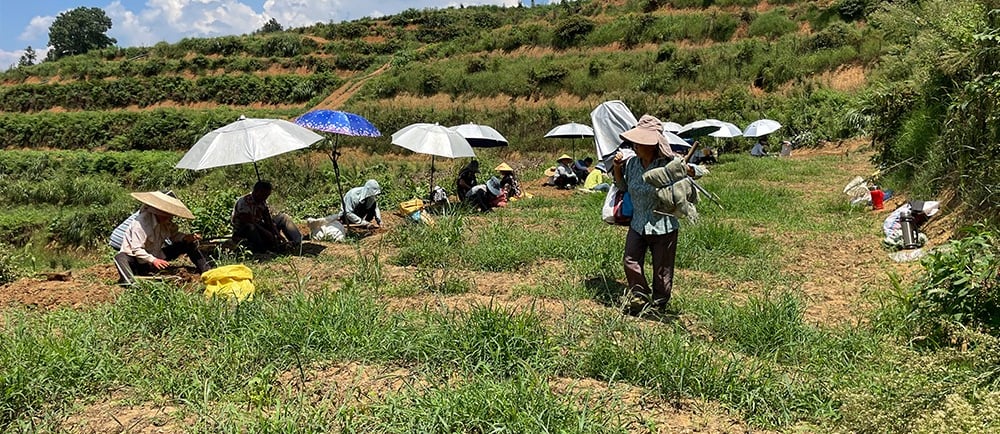
From a sourcing perspective, Tai Zi Shen quality is influenced by:
Growing region stability
Cultivation methods
Harvest timing
Processing consistency
Reliable sourcing supports predictable characteristics, which is essential for ingredients designed for long-term use. Inconsistent quality often leads to inconsistent user experience, regardless of how the ingredient is described.
How Tai Zi Shen Is Commonly Integrated Into Daily Routines
Rather than being used in isolation, Tai Zi Shen is typically integrated alongside:
Regular meals
Rest and recovery periods
Other gentle wellness practices
This complementary role reflects how it has traditionally been applied and explains why it is rarely positioned as a standalone solution.
Recognized Boundaries of Use
Responsible use of Tai Zi Shen includes understanding its boundaries.
It is generally not selected when:
Immediate results are required
Strong stimulation is desired
Short-term intervention is the primary goal
Recognizing these boundaries helps prevent unrealistic expectations and supports informed decision-making.
Why This Understanding Matters
Clear understanding reduces:
Early discontinuation
Overuse
Misaligned expectations
More importantly, it allows Tai Zi Shen to be evaluated based on what it is designed to support, not what it is assumed to replace.
About This Article
This content is developed based on long-term observation of Tai Zi Shen sourcing practices, formulation considerations, and usage patterns commonly referenced in traditional herbal contexts. The focus is on practical understanding rather than promotional messaging.
Information Scope and Disclaimer
This article is intended for informational purposes only and reflects general usage logic and sourcing considerations related to Tai Zi Shen. It does not constitute medical advice. Individuals with specific health concerns should consult qualified professionals before using any herbal product.
Our Services
Provide high quality Pseudostellaria baicalensis, welcome to cooperate.
Contact Us
E-Mail:info@pseudostellaria.com
© 2025. All rights reserved.
Add:Shibing Township, Kaili City, Guizhou Province, China